The Global Open Source Summit
From agentic AI and open models to robotics and edge computing, developers gathered in Shenzhen to share ideas and build together through talks, workshops, and hackathons.
October 16-17, 2026
ADEN Hotel · Shenzhen
GOSIM SHENZHEN 2026 IN PICTURES
Thank you for joining our biggest GOSIM ever!
Over 2,500 attendees came together in Shenzhen for GOSIM Shenzhen 2026. Thank you to every attendee, speaker, volunteer, sponsor, and partner!
Thank You to Our Sponsors & Partners View all sponsors & partners



























GOSIM SHENZHEN 2026 / OCTOBER 16-17 / ADEN HOTEL, SHENZHEN
Where Open Source MeetsChina's Capital Of Innovation
Shenzhen is the heart of China's tech innovation — its youthful population and fearless founders, woven together with the world's densest software-and-hardware supply chain, power the relentless 'Shenzhen speed.'
Tracks
From open source models and agent frameworks to robotics and edge AI, the conference brought developers and builders together to explore the future of the stack. Browse the talks from each track.
Agentic AI Summit
The strategy layer of the agentic wave: protocols, software patterns, tooling, and business models. Follow MCP, A2A, sovereign AI, AI-native development, and the emerging playbook for open-source agents.
Agentic AI on Edge
On-device AI is experiencing a performance awakening, with agentic AI rapidly infiltrating edge devices. This track focuses on deploying powerful AI models in resource-constrained environments, diving deep into engineering practices for on-device inference acceleration, model compression, and real-time decision-making.
Agentic OS & App
As AI agents become the new interface between humans and machines, a new operating system layer is emerging to orchestrate them. This track explores the architecture, frameworks, and platforms powering agentic operating systems and applications — from multi-agent coordination and runtime environments to intent-driven AI-native apps.
Open Source Models & Infra
Open models are advancing quickly across language, vision, audio, and video. This track follows the latest breakthroughs, practical deployments, and the new capabilities emerging from the open model ecosystem.
Open Source Robotics
Where agentic software meets physical systems. Explore open robotics platforms, embodied AI stacks, and hands-on methods for building autonomous machines that can perceive, plan, and act.
Agentic Device
From AI-native phones and wearables to new personal computing form factors, this track focuses on the devices that make agents tangible. Explore hardware-software co-design, multimodal sensing, persistent context, voice-first interaction, and secure on-device action — turning AI from an app into the interface of the device itself.
Hands-on Workshops
AI Education Workshop
From Passive Lectures to Active Co-Learning: The AI-Interactive Future Classroom · Talent Demand in the Field of Embodied AI · Full-stage Integrated Practice of Open-source Robots and AI Education · Software Engineering 3.0: Exploration and Practice of Innovative Talent Cultivation Based on Open Source and AI · Dialogue Is Creation: Reshaping Primary and Secondary School STEM Education with AI Agents · Tea Break · When Confucius Meets Vygotsky — Learning Restructuring and Future School Construction in the AI-Empowered Era · From AI Access to AI Impact: Building Inclusive Education Across Cultures · Exploration and Practice of New Global Models for Industry-Academia-Research Education in the AI Era
DORA-rs Workshop
From Code to Robots: The Collaborative Journey of the DORA-rs Community and Practices in Embodied AI · Dataflow-Driven Robotic Navigation: From Perception to Control in the DORA-rs Architecture · Trust Is Not the Default: From DORA-rs Dataflow Debugging to Trustworthy Tool Design · Key Technologies of Robotic Teleoperation Data Collection and Multimodal Closed-Loop Control under the DORA-rs Architecture · A High-Speed Heterogeneous Data Transmission Framework for Robot-Side End-Edge-Cloud Collaboration · Lessons from Building an AI-Assisted DORA-rs Tutorial · From Agentic Programming to Automated Robotic Research · A DORA-Based 3D Navigation Framework: From LiDAR Point Clouds to Trajectory Planning
vLLM Workshop
Workshop Check-in · Opening Remarks · vLLM Latest Update and Roadmap · llm-d: Building a Cross-Workload, Cross-Modal, Cross-Hardware, and Cross-Platform Distributed Inference Control Plane · AFD Plugin: Attention–FFN Disaggregation in vLLM · Tea Break · From Single-Point Acceleration to System-Wide Optimization: Full-Stack Optimization Practices for LLM Inference · Inside ROCm 10.0: Building an Open GPU Software Platform for the Agentic AI Era · Scaling vLLM System-Wide: From Network I/O to Distributed Scheduling · AMA with the vLLM Core Team
Google Cloud Workshop
Get started with Agent Development Kit (ADK) · Build multi-agent systems with ADK
KVCDN Workshop
High-Quality Token Service: From Heterogeneous PD to Cross-Region AI Infrastructure · LMCache's Production-Grade Multi-Process KV Cache: Architecture, Observability & Fault Tolerance · KV Cache Usage in SGLang · Lunch · UCM: Beyond KVCache Acceleration, Lifecycle Management for Agent-Scale Inference · Best Practices of Pooling LLM KVCache with FlexKV · Research and Practice of Agent Networking · Tea Break · Turbo: Efficiently Serving Long-Context LLMs with In-Network Aggregation · Beyond Compression Ratio: Service-Aware KV Cache Compression for Distributed LLM Serving · Mooncake Store for Agentic RL in Disaggregated Architectures
openGauss Database & Ecosystem Forum
Technological Innovation and Practice in the Database Ecosystem in the AI Era · Breakthroughs in open-source multi-master databases · From Vector Databases to the Data Foundation for AI Applications · Tea Break · Vastbase: AI Data Foundation for Intelligence-Driven Efficiency · IntarkDB: The Underlying Data Infrastructure for Edge-Side Intelligence · Roundtable:Exploring openGauss 7.0.0 LTS Technical Highlights and New Trends in Collaborative Database Ecosystem Development
Agentic AI Infrastructure Forum
Running Millions of Agents at Tencent: CubeSandbox as the Hands Behind the Harness Brain · vLLM and Ascend: Plugin-Based Architecture and MoE Expert Load Balancing in Practice · From Rollout to Weight Synchronization: How Mooncake Supports High-Performance RL and Inference · Tea Break · Triton For Ascend:Simplifying High-performance Operator Development · AscendNPU IR: Building an efficient and easy-to-use Ascend diverse operator system, empowering developers to innovate flexibly · KunPeng SuperPoD - New Computing Infrastructure for the Agentic AI
CANN Workshop
Opening Remarks · DeepSeek’s Official Open-Source Building Blocks for Ascend, Jointly Building an Efficient, Developer-Friendly AI Chip Software Ecosystem · Inside DeepEP / DeepGEMM: Accelerating MoE Communication and Matrix Computation for Large Models · Inside TileLang / TileKernels: The Technology Behind TileLang’s Native Support for Ascend 950 · CANNBot-DSL: An Agent-Friendly Paradigm for High-Performance Complex Operator Development
Rust Instructor Training & Workshop
Invitation only. The time and internal workshop details were not published.
Spotlight & Hackathons
Spotlight Shenzhen 2026:Next-Gen AI-Native Products
Spotlight Shenzhen 2026 brought together next-generation AI-native products for a focused build sprint and a live showcase at GOSIM Shenzhen 2026.
Agentic Software Factory Hackathon
A global Harness Engineering competition featuring an online qualifier, Grand Challenge, and Demo Day at GOSIM Shenzhen 2026.
Agentic Observer Hackathon
Build an observing agent that reads the state of the sky and chooses the next observation every 900 seconds.
Agentic App Hackathon
Build agentic apps for everyday scenarios such as email, messaging, and calendars, with OctoSense at the core and robrix2 as the development baseline.
Mobile Robot Agent Hackathon
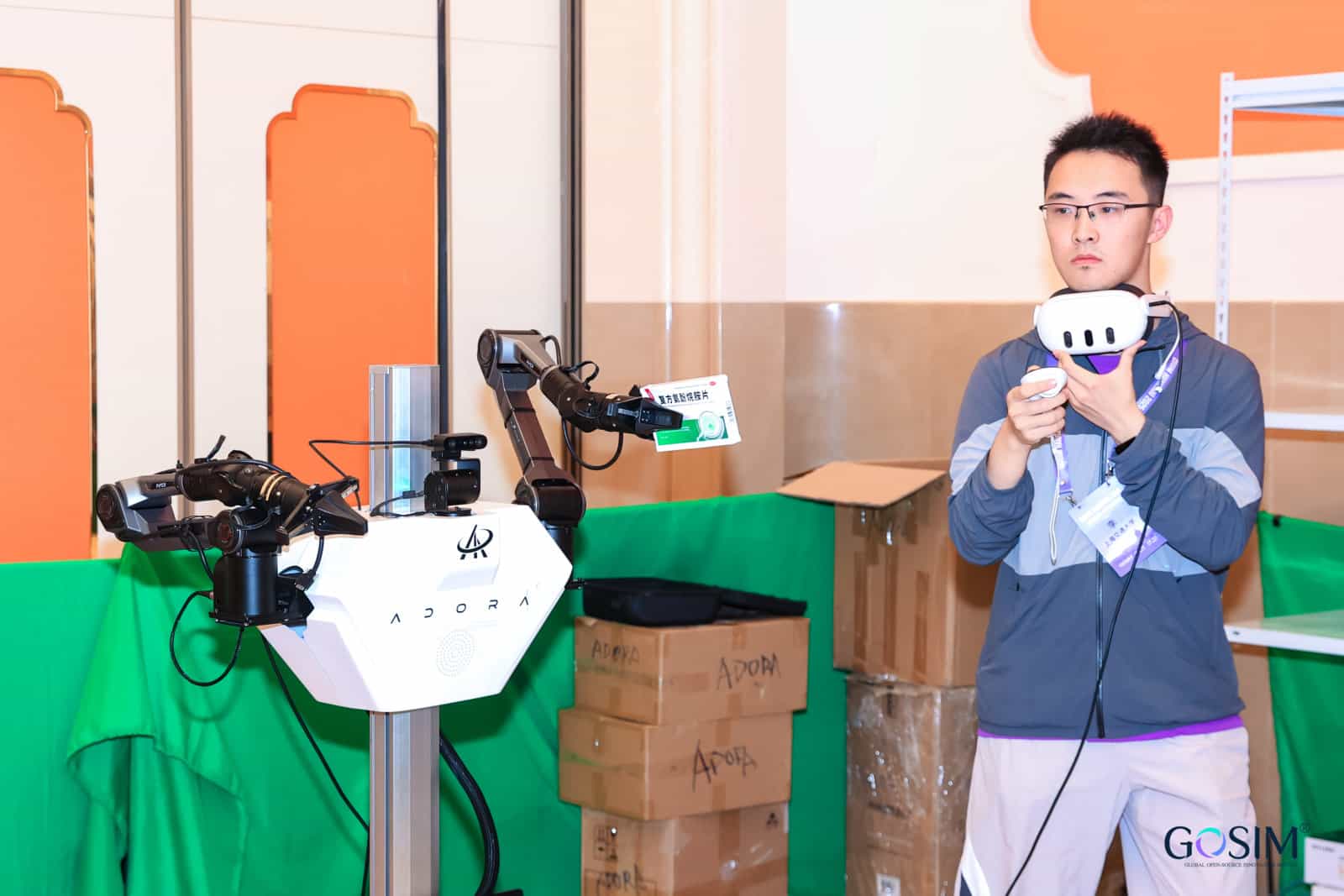
Build autonomous industrial inspection agents on the ADORA NANO mobile robot using dora-rs and Octos, with navigation, valve operation, meter reading, and object manipulation on real hardware.
Embodied AI Simulation Hackathon
Train autonomous robot locomotion policies with reinforcement learning, then test speed, stability, and terrain adaptation across flat sprints, complex terrain, and hidden courses.

Side Event of GOSIM Shenzhen 2026
United Nations Open Source Convening
Official high-level side event
An official high-level side event of GOSIM Shenzhen 2026 for industry decision-makers, leading researchers and international organisations to explore UN open source initiatives and collaboration. The event has concluded and applications are closed.
- Date
- Time
- 10:15–12:00 (China Standard Time, UTC+8)
- Location
- Shenzhen, China

Co-located Event · Concluded
Rust and AI
RustChinaConf 2026 · Shenzhen
Conference dates
October 15–17, 2026
Held alongside GOSIM Shenzhen 2026, RustChinaConf brought the Rust community together to explore Rust for AI, AI for Rust, and lessons from Rust in production.
Conference Venue
ADEN Hotel Shenzhen Nanshan
Our Shenzhen Venue
No. 8 Guishan Road, Shekou, Nanshan District, Shenzhen
Set in Shekou, the conference venue is about 700 metres from Sea World Metro Station, served by Lines 2, 8 and 12, with easy access to Shenzhen's metro network and waterfront district.
Explore the venue
The GOSIM Experience
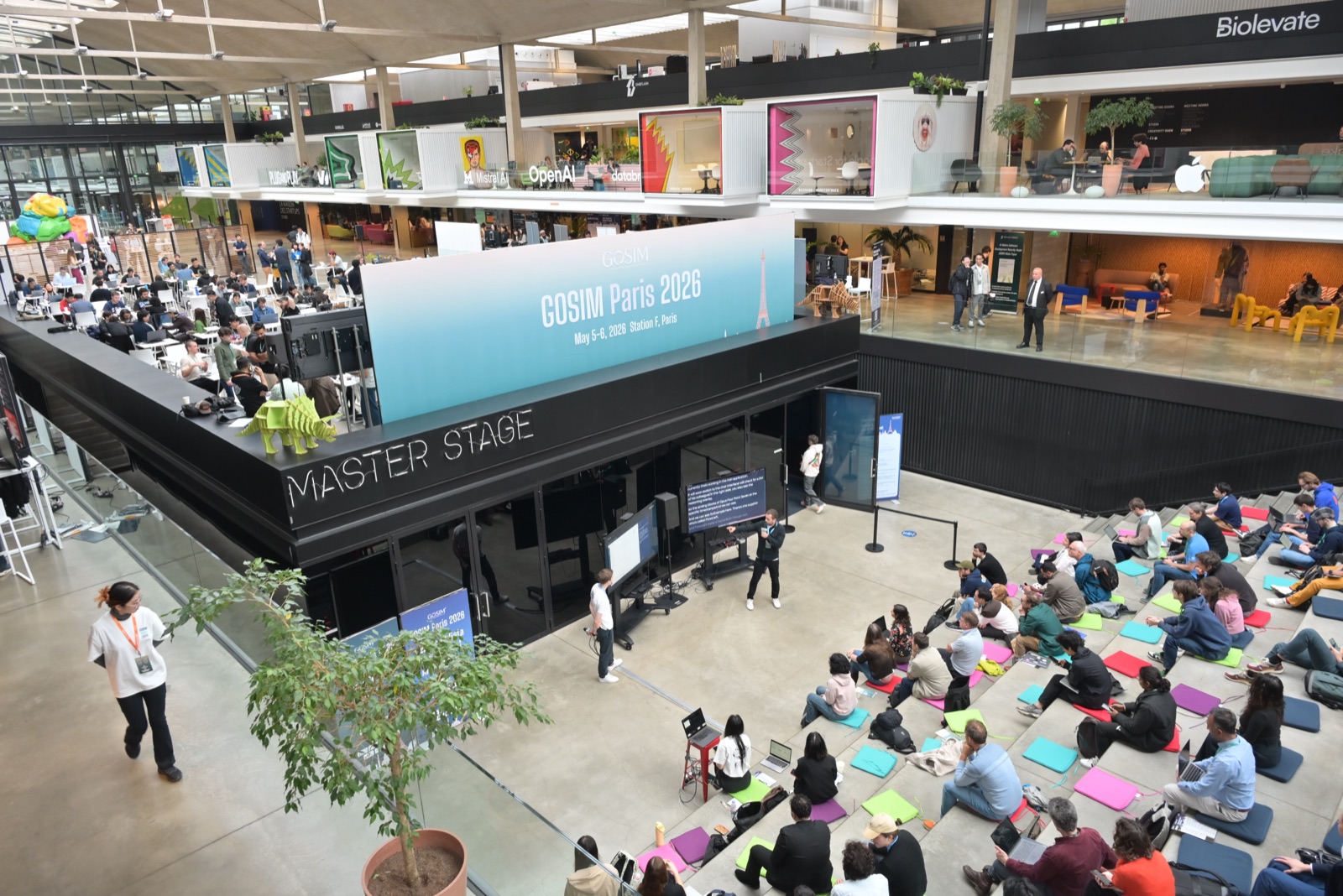
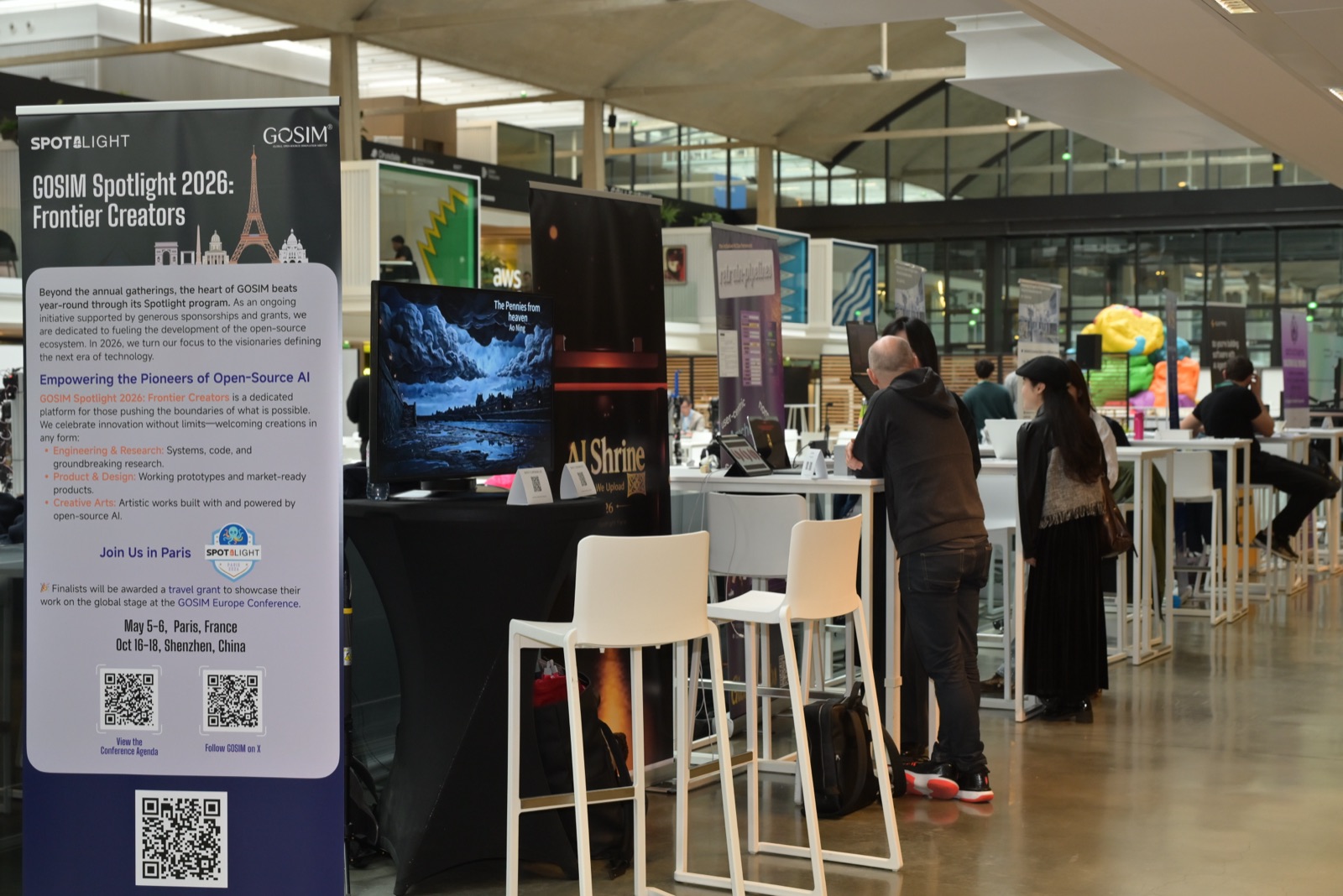
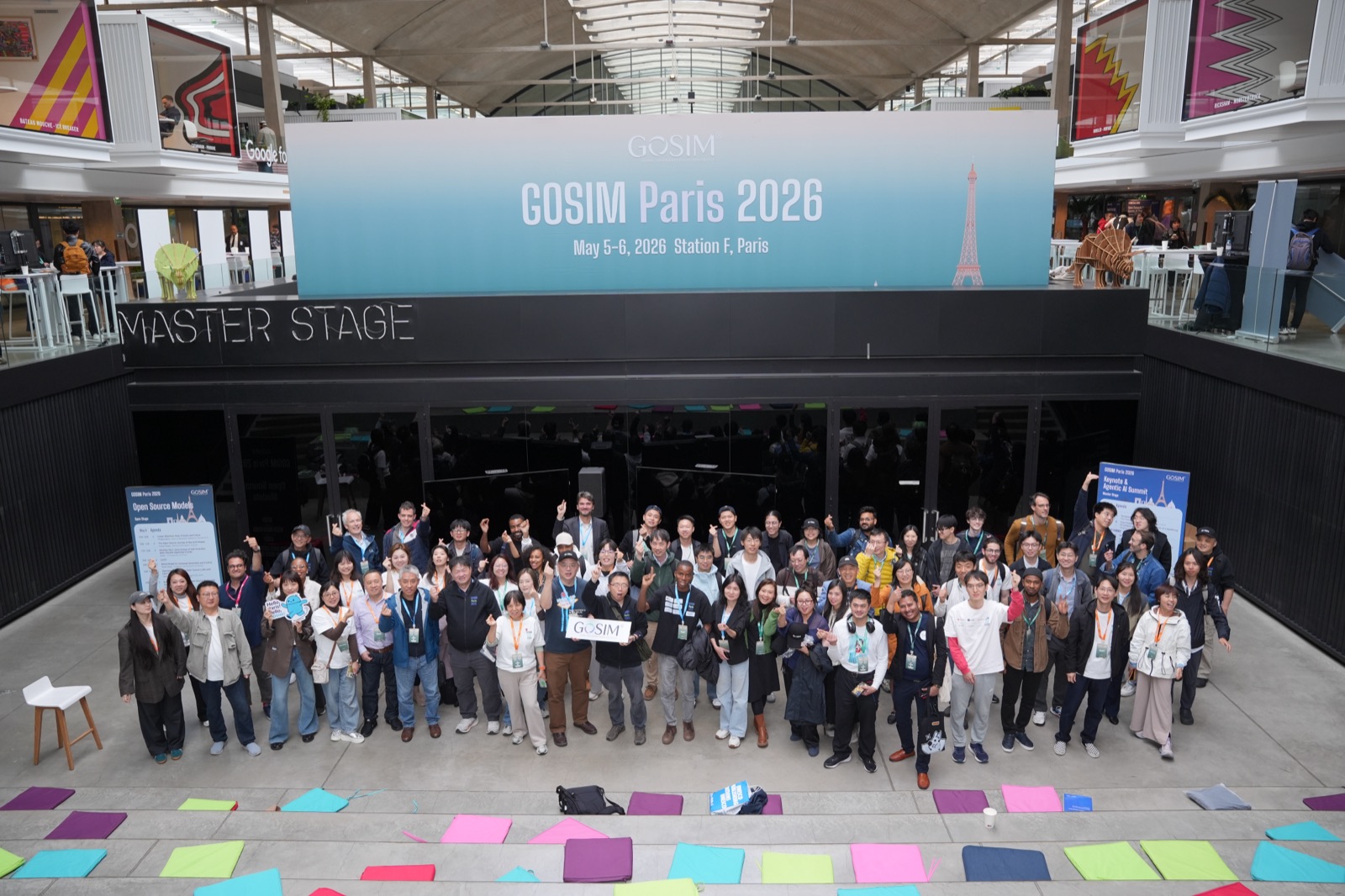
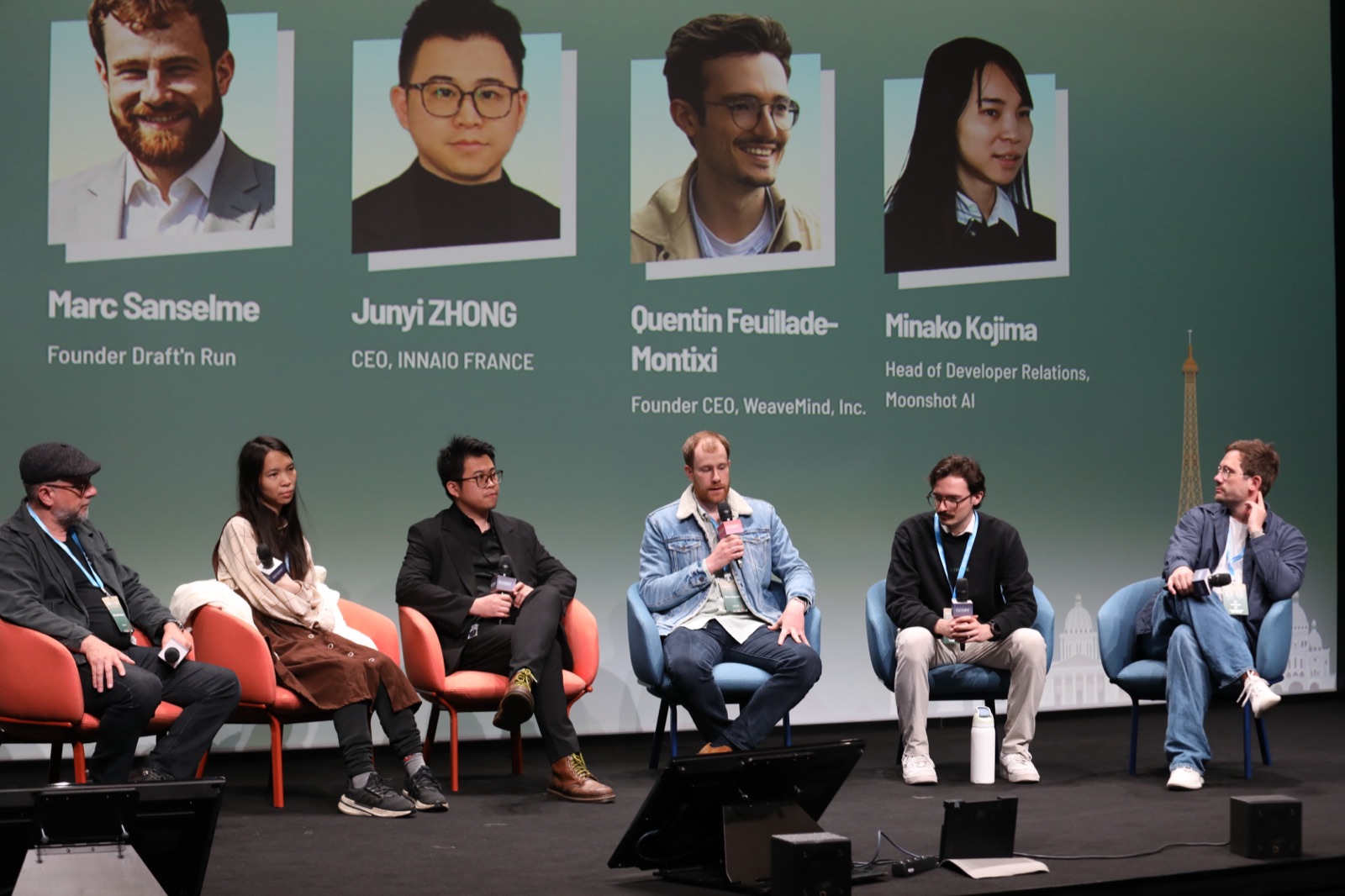
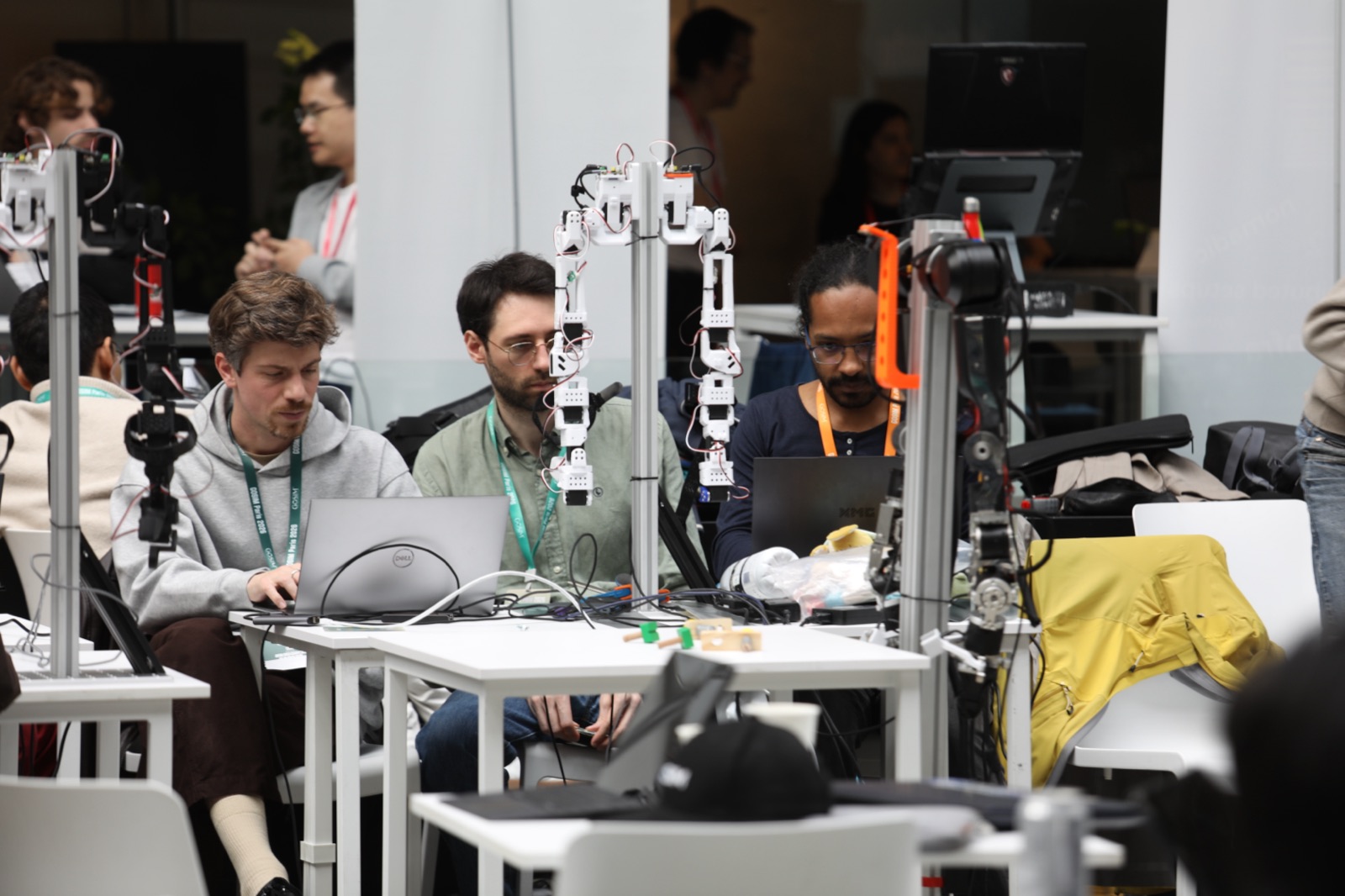
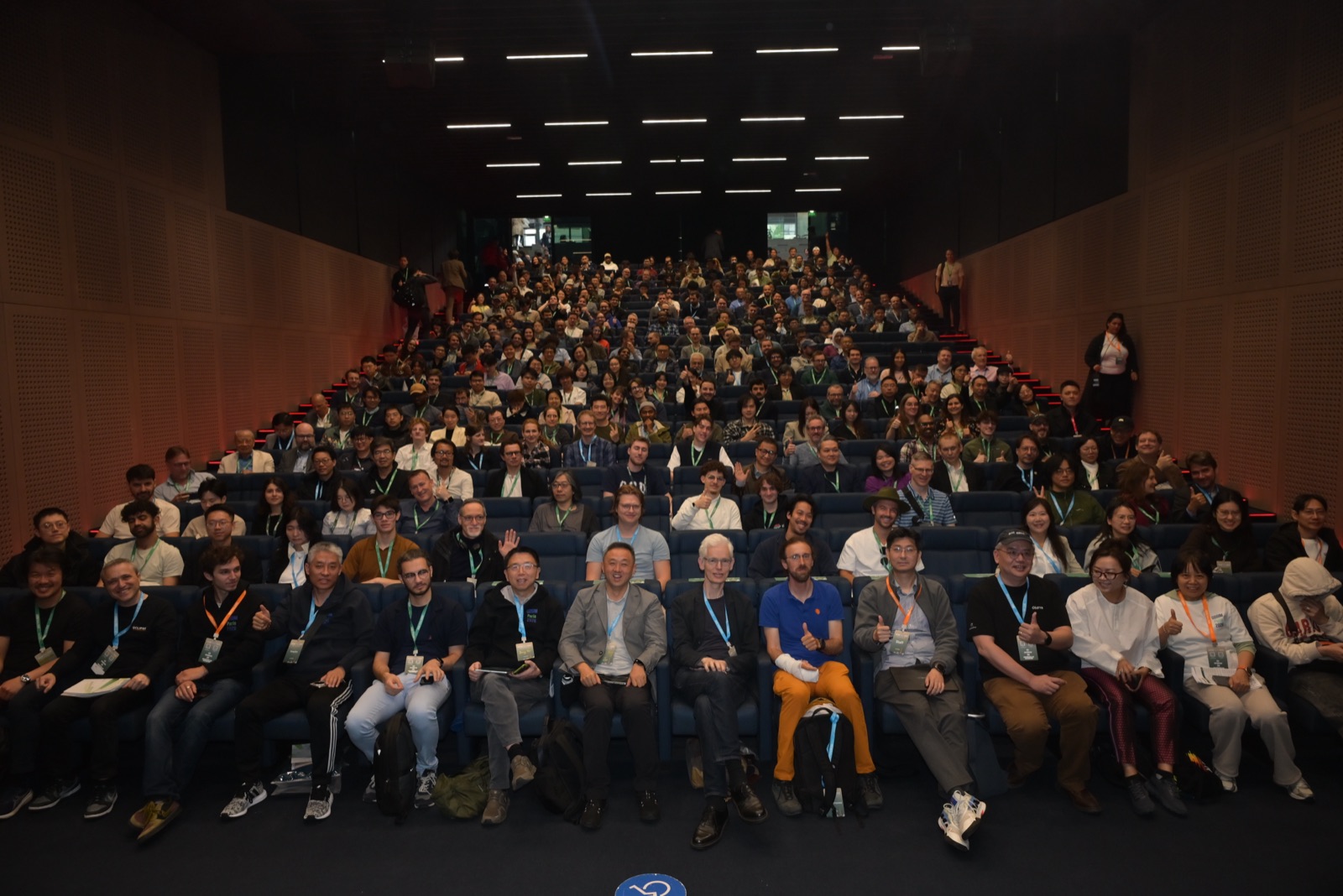
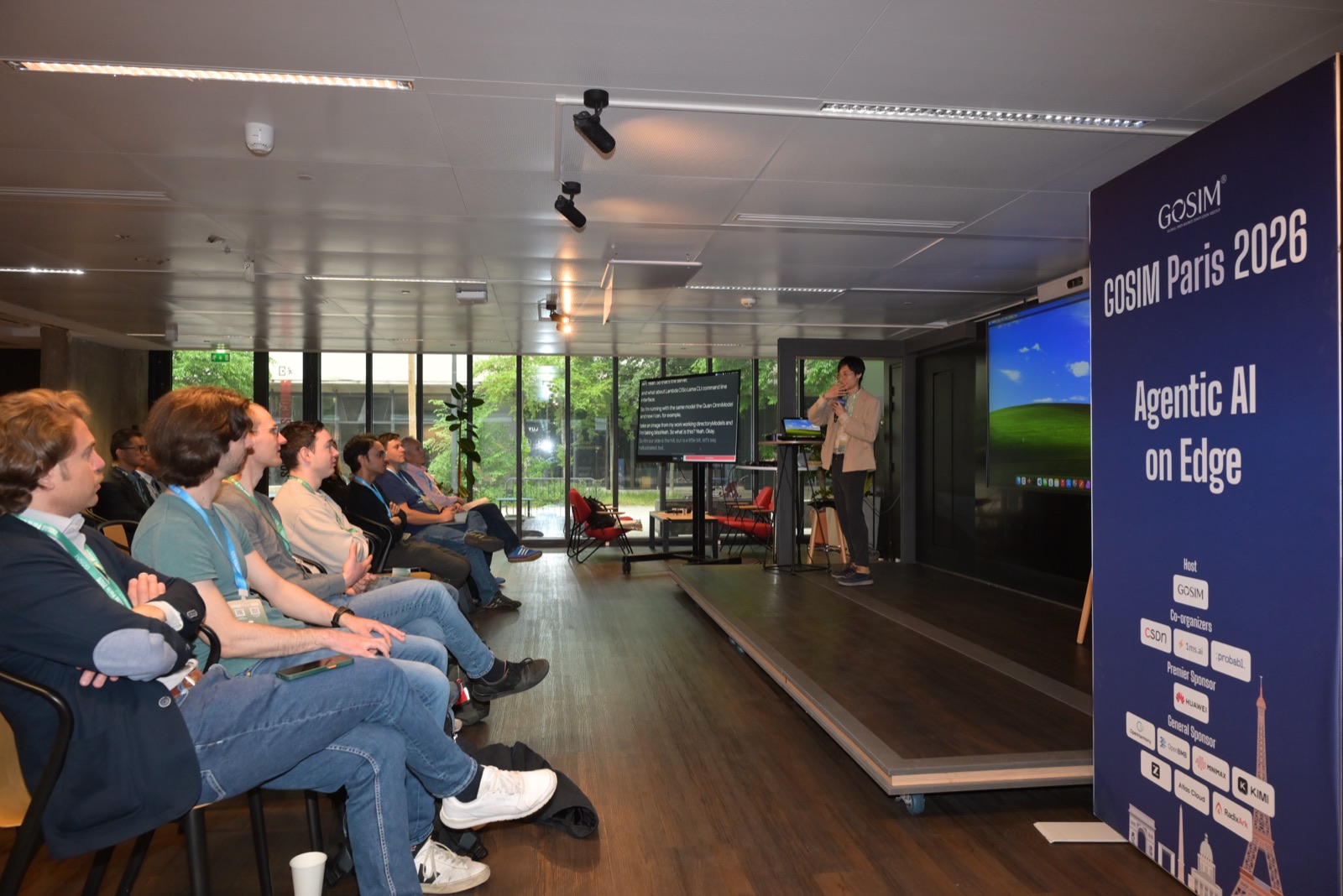
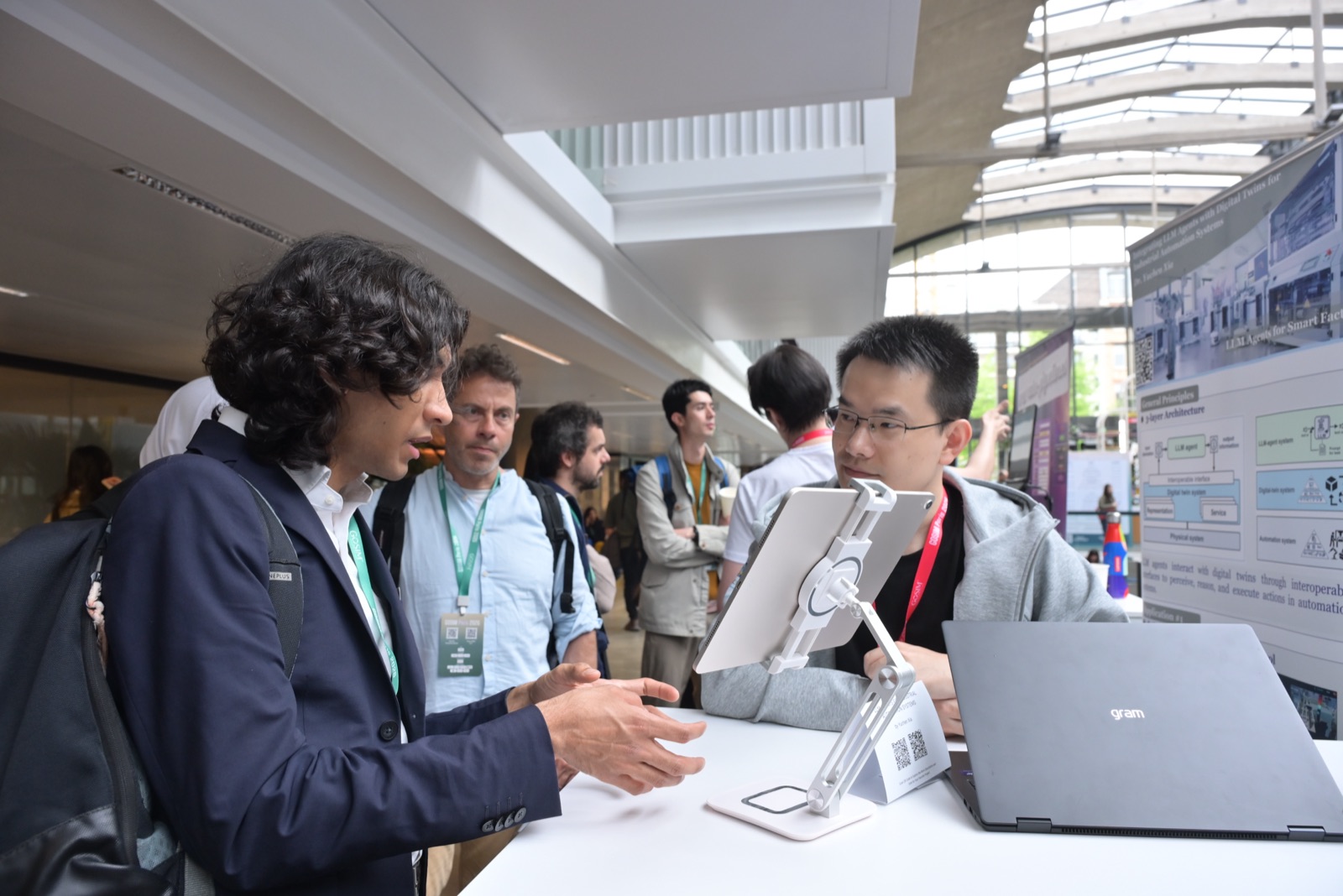
GOSIM Paris 2026
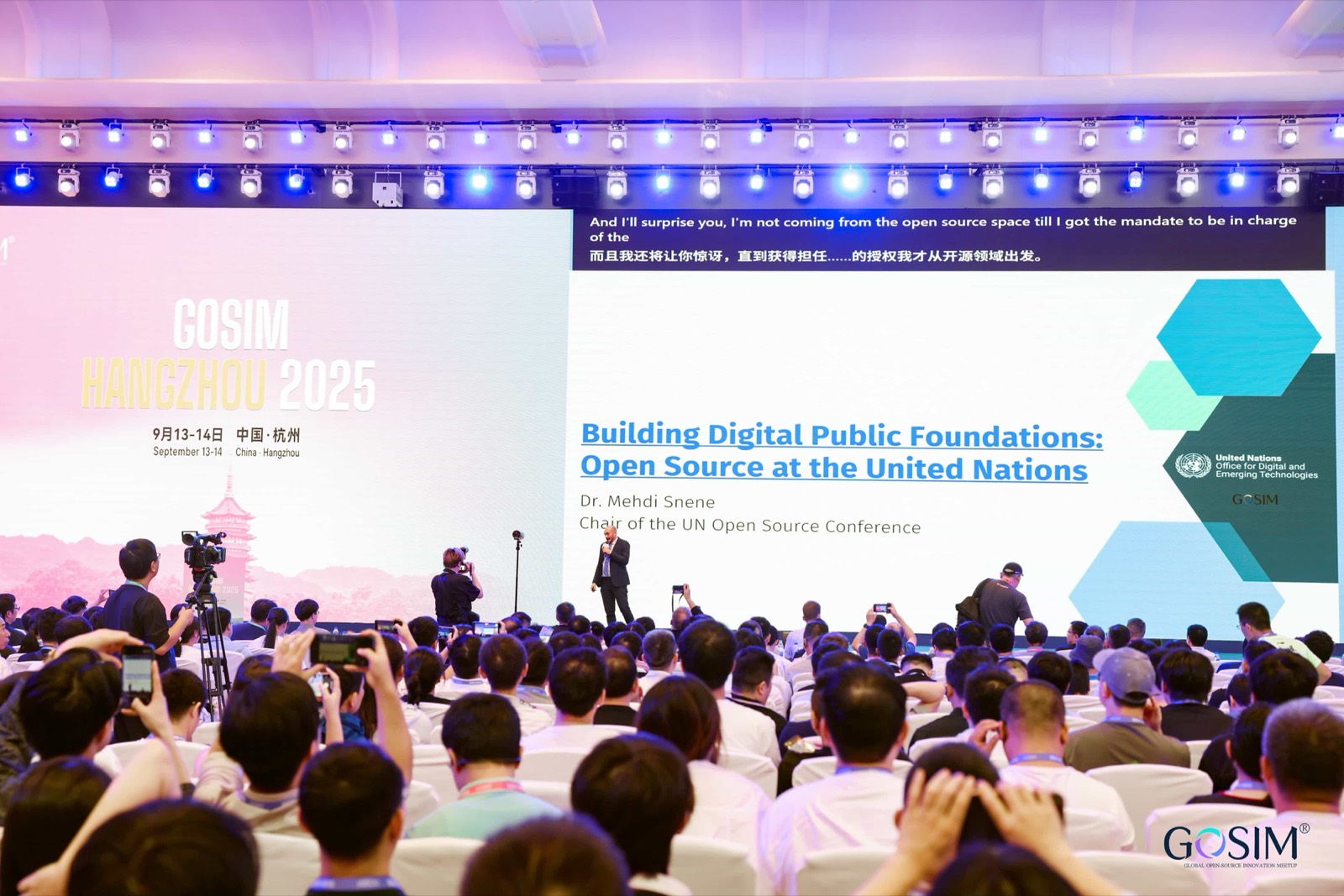
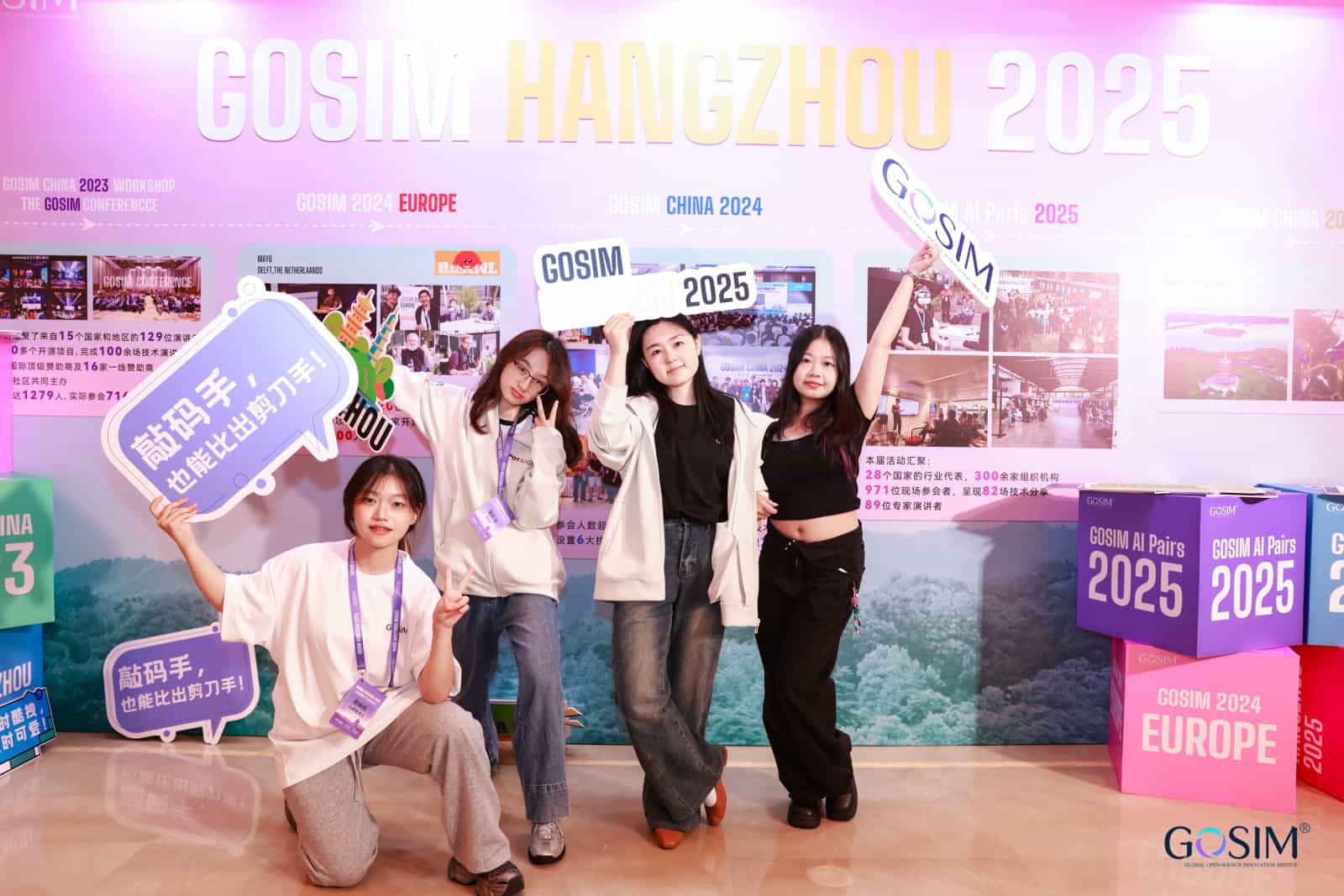
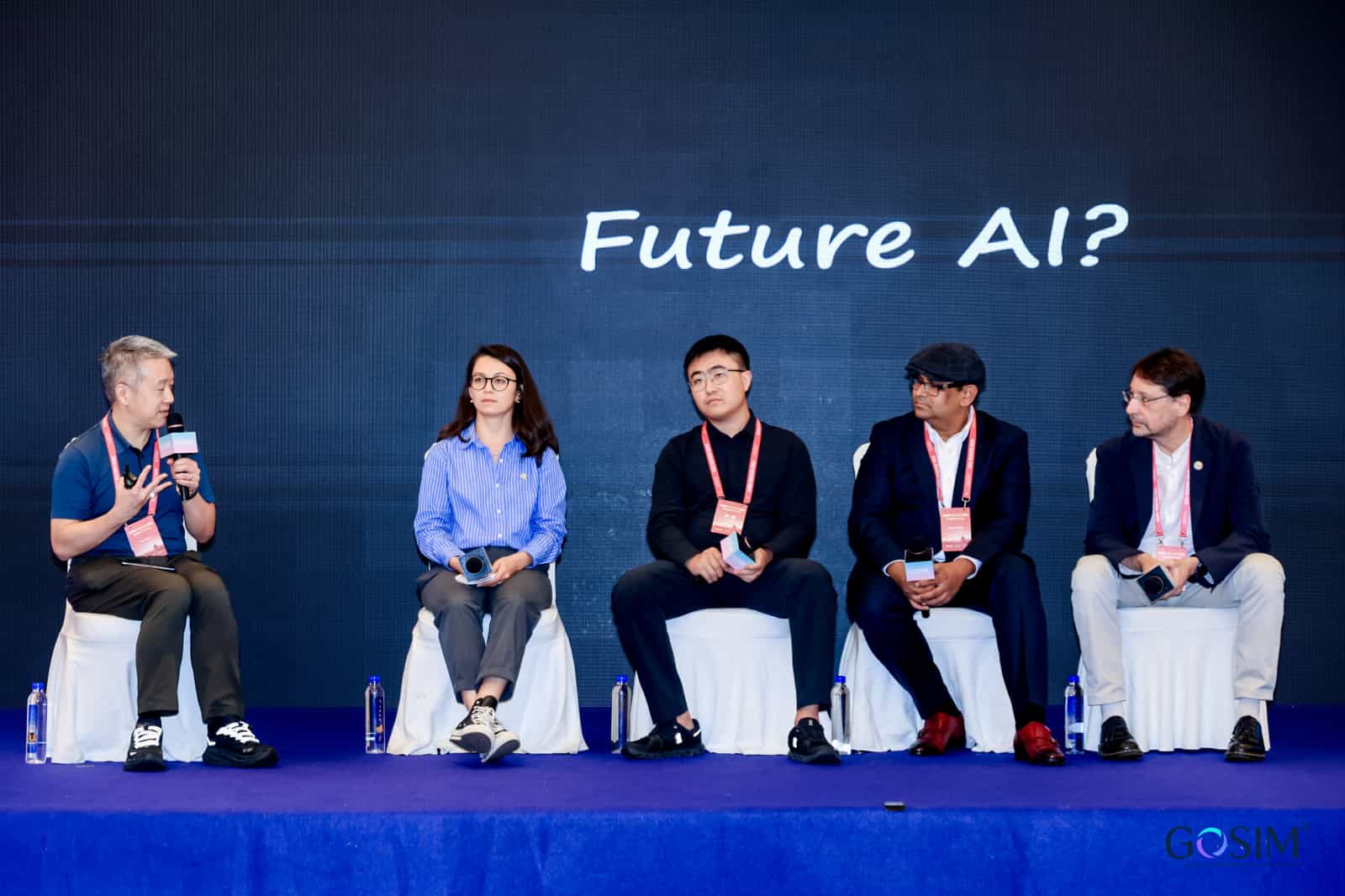
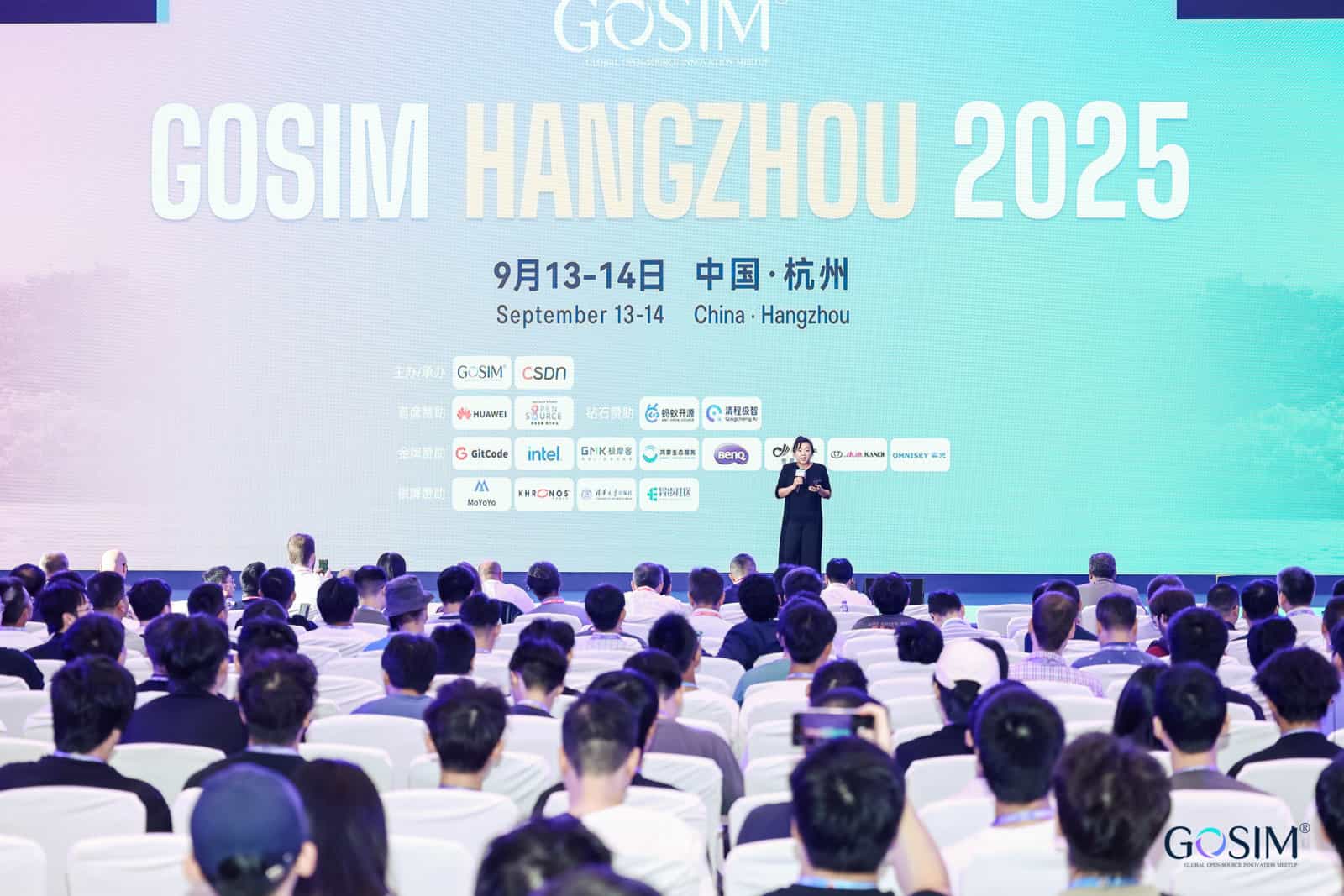
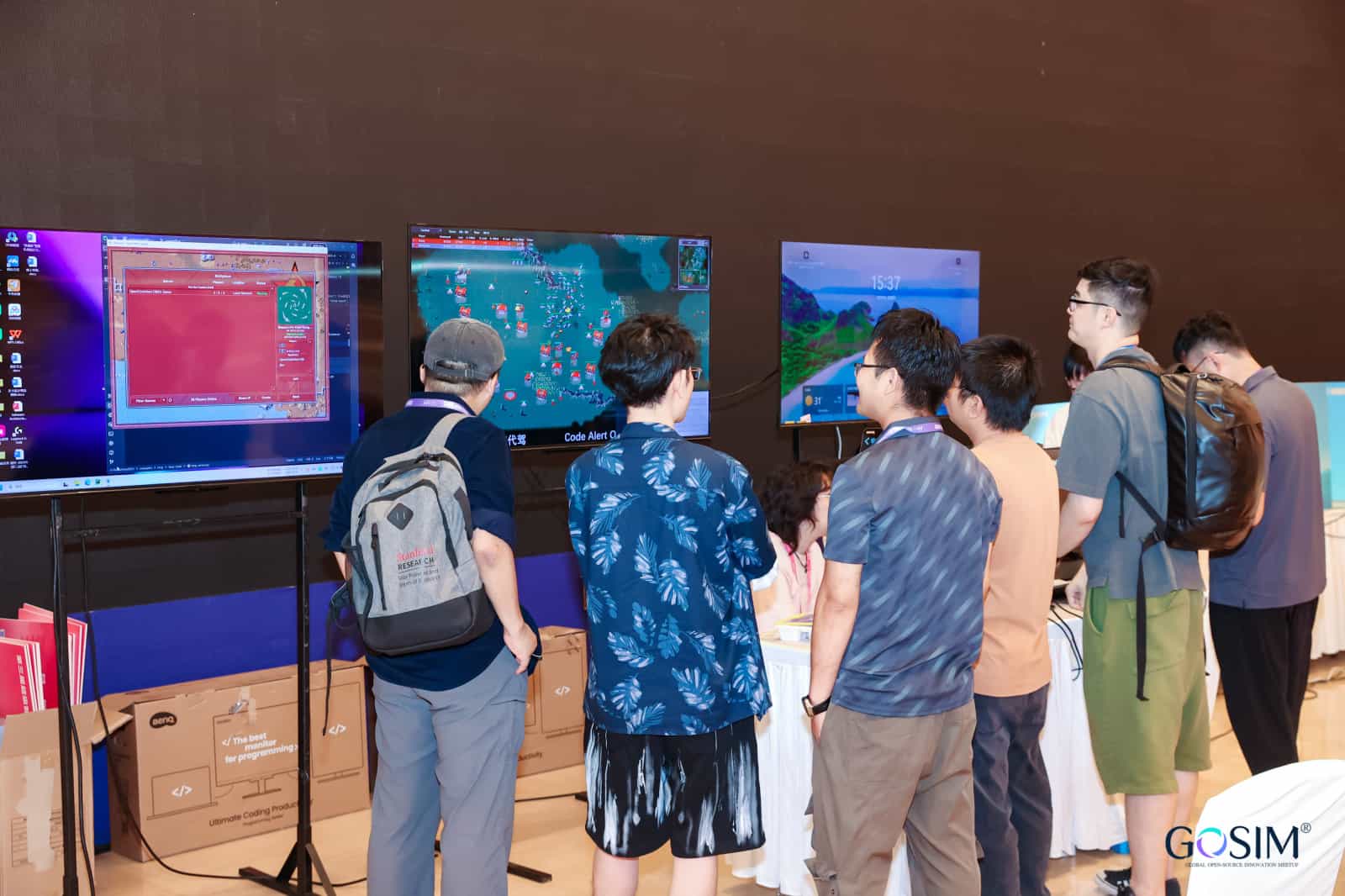
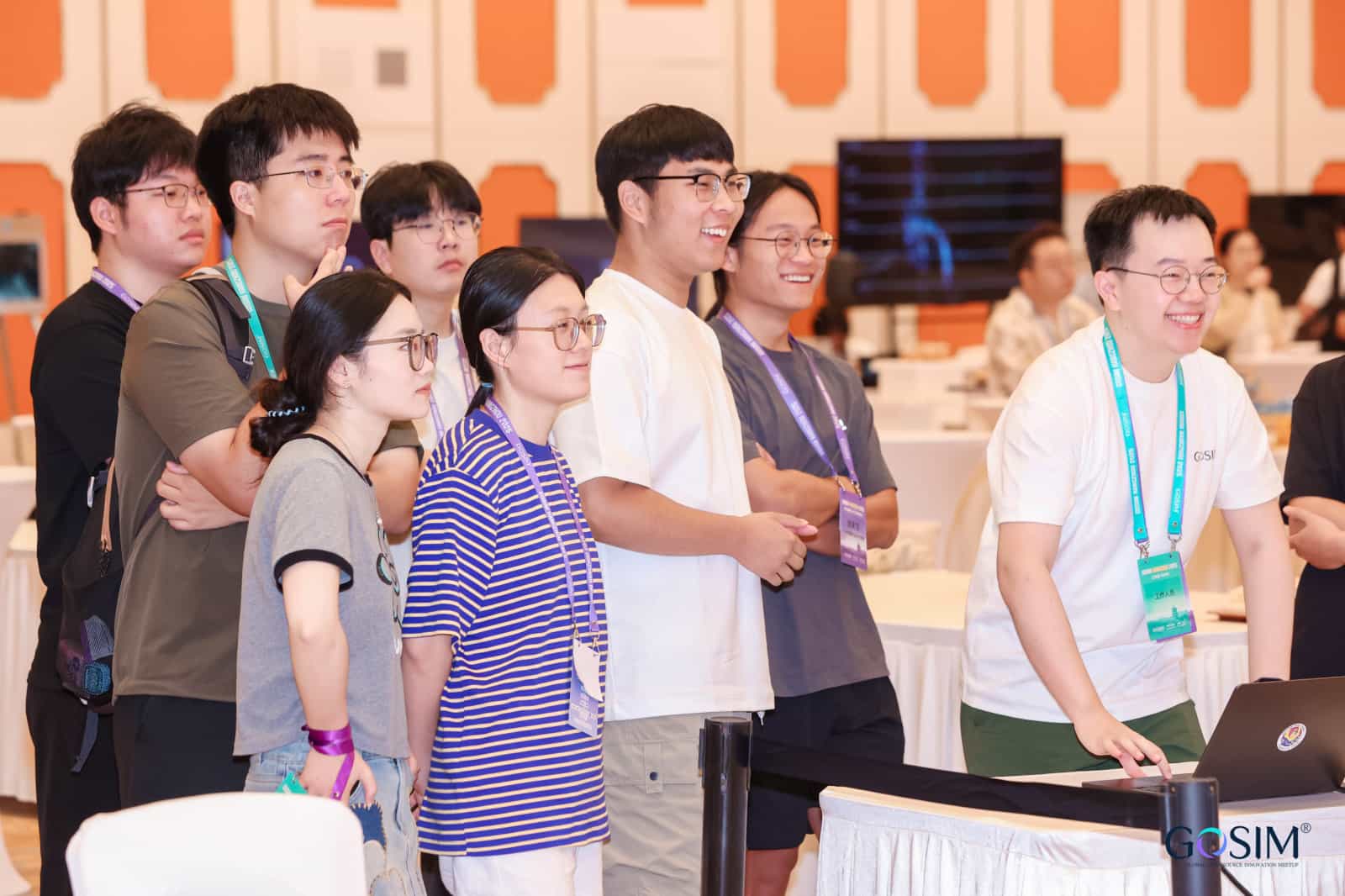
GOSIM Hangzhou 2025
Previous Events







Thank you for joining our biggest GOSIM ever!
ADEN Hotel Shenzhen Nanshan
October 16–17, 2026
Over 2,500 attendees came together in Shenzhen for GOSIM Shenzhen 2026. Thank you to every attendee, speaker, volunteer, sponsor, and partner!