Schedule
Compare sessions happening at the same time and choose where to go next.
Filter tracksAll tracks
– 09:25
– 09:40
– 09:55
– 10:20
– 10:30
How Do You Read a Million Tokens on Your Laptop? You Don't.
openvela: From an Open-Source OS to the Foundation for AI Hardware Agents
Rethinking Residual Connections: Toward Depth-Effective Language Model Scaling
– 10:40
How Do You Read a Million Tokens on Your Laptop? You Don't.
openvela: From an Open-Source OS to the Foundation for AI Hardware Agents
Rethinking Residual Connections: Toward Depth-Effective Language Model Scaling
– 10:45
How Do You Read a Million Tokens on Your Laptop? You Don't.
openvela: From an Open-Source OS to the Foundation for AI Hardware Agents
Rethinking Residual Connections: Toward Depth-Effective Language Model Scaling
A DORA-Based 3D Navigation Framework: From LiDAR Point Clouds to Trajectory Planning
– 10:50
How Do You Read a Million Tokens on Your Laptop? You Don't.
openvela: From an Open-Source OS to the Foundation for AI Hardware Agents
Rethinking Residual Connections: Toward Depth-Effective Language Model Scaling
– 11:00
– 11:05
PenguinHarness: Efficient Self-Evolving Agent Harness for 1000+ Models
Building and Evolution of the Ascend Open-Source Training Ecosystem
– 11:10
PenguinHarness: Efficient Self-Evolving Agent Harness for 1000+ Models
Building and Evolution of the Ascend Open-Source Training Ecosystem
Trust Is Not the Default: From DORA-rs Dataflow Debugging to Trustworthy Tool Design
– 11:15
Agent-Centric Engineering — From Personal Productivity to Organizational Capability
PenguinHarness: Efficient Self-Evolving Agent Harness for 1000+ Models
Building and Evolution of the Ascend Open-Source Training Ecosystem
Trust Is Not the Default: From DORA-rs Dataflow Debugging to Trustworthy Tool Design
– 11:25
Agent-Centric Engineering — From Personal Productivity to Organizational Capability
PenguinHarness: Efficient Self-Evolving Agent Harness for 1000+ Models
Building and Evolution of the Ascend Open-Source Training Ecosystem
– 11:30
Agent-Centric Engineering — From Personal Productivity to Organizational Capability
– 11:35
From Connecting to Thinking: TuyaOpen's Agent-First OS for the Physical AI Era
– 11:45
From Connecting to Thinking: TuyaOpen's Agent-First OS for the Physical AI Era
– 12:00
From Connecting to Thinking: TuyaOpen's Agent-First OS for the Physical AI Era
– 12:15
– 12:30
– 13:30
– 14:00
– 14:25
– 14:35
OpenCV 5: What's New—and How to Prepare Your Company for the Upgrade
AI-Native Company Operating System: How Open Source Agents Transform Startup Workflows
Technological Innovation and Practice in the Database Ecosystem in the AI Era
Running Millions of Agents at Tencent: CubeSandbox as the Hands Behind the Harness Brain
– 14:50
– 15:10
SpecArtisans: A Verifiable Spec-Driven Development Paradigm for AI Coding
Project Homunculus: Open Source Force Feedback Glove for Humanoid Teleoperation
vLLM and Ascend: Plugin-Based Architecture and MoE Expert Load Balancing in Practice
– 15:15
Self-Evolving Apps: Building Software That Gets Smarter Every Time You Use It
– 15:40
RustNN at the Edge: WebNN as Infrastructure for Local AI Agents
From Hearing You to Seeing You — Real-Time Multimodality Brings AI into the Real World
From Vector Databases to the Data Foundation for AI Applications
– 15:45
RustNN at the Edge: WebNN as Infrastructure for Local AI Agents
From Hearing You to Seeing You — Real-Time Multimodality Brings AI into the Real World
From Vector Databases to the Data Foundation for AI Applications
– 16:00
– 16:05
Building a Knowledge-Work Harness: From Coding Agents to Executable Strategy
– 16:30
Building Hybrid AI Systems: Edge Inferencing Meets Cloud Reasoning
How to Use Harness Engineering to Build an AI Mini-Game Production Pipeline
Vastbase: AI Data Foundation for Intelligence-Driven Efficiency
Triton For Ascend:Simplifying High-performance Operator Development
– 16:55
– 17:00
Two Decouplings: Bringing Coding Agents into Everyday Applications
IntarkDB: The Underlying Data Infrastructure for Edge-Side Intelligence
– 17:20
– 17:30
From Prediction to Consequence: A New Evaluation Paradigm for Embodied AI
KunPeng SuperPoD - New Computing Infrastructure for the Agentic AI
– 09:25
– 09:40
– 09:55
– 10:40
Get started with Agent Development Kit (ADK)
*This is a hands-on session, please bring your own laptop.
– 10:45
Agentic AI on Global Edge: Deploying SPEAR-Powered Operations Agents with MCP
Developers' AI Creations: Co-building AI Hardware through the Lens of a Tech Community
Teaching AI to Improve AI: From Experimental Feedback to Meta-Evolution
"World Model for All": Towards Unified Generation, Navigation and Control
Get started with Agent Development Kit (ADK)
*This is a hands-on session, please bring your own laptop.
High-Quality Token Service: From Heterogeneous PD to Cross-Region AI Infrastructure
– 10:50
Developers' AI Creations: Co-building AI Hardware through the Lens of a Tech Community
Teaching AI to Improve AI: From Experimental Feedback to Meta-Evolution
Get started with Agent Development Kit (ADK)
*This is a hands-on session, please bring your own laptop.
High-Quality Token Service: From Heterogeneous PD to Cross-Region AI Infrastructure
– 11:05
Get started with Agent Development Kit (ADK)
*This is a hands-on session, please bring your own laptop.
– 11:15
The World as the Interface: Building an Open Agent Ecosystem for AI Glasses
Get started with Agent Development Kit (ADK)
*This is a hands-on session, please bring your own laptop.
– 11:25
– 11:45
From Khronos AI Ecosystem Research Insights to Edge AI Inference with Vulkan
Build multi-agent systems with ADK
*This is a hands-on session, please bring your own laptop.
– 12:00
MemOS: The Next-Generation Memory System for Autonomous Agent Evolution
Building AI Agent Devices on RISC-V with DC-ROMA Mainboard III
Build multi-agent systems with ADK
*This is a hands-on session, please bring your own laptop.
– 12:15
– 12:25
Lunch
Lunch
Lunch
Lunch
Lunch
Lunch
Build multi-agent systems with ADK
*This is a hands-on session, please bring your own laptop.
Lunch
– 12:30
– 13:10
– 13:30
– 13:40
– 13:50
– 14:00
Lunch
Lunch
Lunch
Lunch
Lunch
Lunch
Lunch
– 14:20
vLLM Latest Update and Roadmap
Check-in: 13:10–13:40. The workshop begins at 13:40.
– 14:30
Evaluation You Can Audit: Eclipse PanEval as Shared Infrastructure
AI-Native Embedded Product Development: Reshaping the Hardware-Software R&D Paradigm
llm-d: Building a Cross-Workload, Cross-Modal, Cross-Hardware, and Cross-Platform Distributed Inference Control Plane
Check-in: 13:10–13:40. The workshop begins at 13:40.
UCM: Beyond KVCache Acceleration, Lifecycle Management for Agent-Scale Inference
– 14:35
AI-Native Embedded Product Development: Reshaping the Hardware-Software R&D Paradigm
llm-d: Building a Cross-Workload, Cross-Modal, Cross-Hardware, and Cross-Platform Distributed Inference Control Plane
Check-in: 13:10–13:40. The workshop begins at 13:40.
UCM: Beyond KVCache Acceleration, Lifecycle Management for Agent-Scale Inference
– 14:40
llm-d: Building a Cross-Workload, Cross-Modal, Cross-Hardware, and Cross-Platform Distributed Inference Control Plane
Check-in: 13:10–13:40. The workshop begins at 13:40.
– 14:50
Efficient Training of Large Language Models via Orthogonal Transformation
Rethinking Efficiency Bottleneck of Generative Robotics Manipulation
llm-d: Building a Cross-Workload, Cross-Modal, Cross-Hardware, and Cross-Platform Distributed Inference Control Plane
Check-in: 13:10–13:40. The workshop begins at 13:40.
– 15:00
Efficient Training of Large Language Models via Orthogonal Transformation
Rethinking Efficiency Bottleneck of Generative Robotics Manipulation
Full-stage Integrated Practice of Open-source Robots and AI Education
AFD Plugin: Attention–FFN Disaggregation in vLLM
Check-in: 13:10–13:40. The workshop begins at 13:40.
– 15:10
Efficient Training of Large Language Models via Orthogonal Transformation
Rethinking Efficiency Bottleneck of Generative Robotics Manipulation
AFD Plugin: Attention–FFN Disaggregation in vLLM
Check-in: 13:10–13:40. The workshop begins at 13:40.
– 15:20
AFD Plugin: Attention–FFN Disaggregation in vLLM
Check-in: 13:10–13:40. The workshop begins at 13:40.
– 15:30
Interactive Heuristic Learning Method of LiDAR and Camera for Target Detection
– 15:40
Interactive Heuristic Learning Method of LiDAR and Camera for Target Detection
– 15:45
Cangjie and the New Frontier of Programming Languages in the AI Era
Interactive Heuristic Learning Method of LiDAR and Camera for Target Detection
Tea Break
From Single-Point Acceleration to System-Wide Optimization: Full-Stack Optimization Practices for LLM Inference
Check-in: 13:10–13:40. The workshop begins at 13:40.
– 16:00
Cangjie and the New Frontier of Programming Languages in the AI Era
Tea Break
Tea Break
Tea Break
Tea Break
Tea Break
From Single-Point Acceleration to System-Wide Optimization: Full-Stack Optimization Practices for LLM Inference
Check-in: 13:10–13:40. The workshop begins at 13:40.
Tea Break
– 16:10
From Single-Point Acceleration to System-Wide Optimization: Full-Stack Optimization Practices for LLM Inference
Check-in: 13:10–13:40. The workshop begins at 13:40.
– 16:20
The Agentic AI Developer Economy: Building a Meritocratic Open Source Ecosystem
An Autonomous Runtime Shielding Agent for Linux Kernel Vulnerabilities
AMD ROCm and Radeon-Powered Real2Sim2Real Vision-Language-Action Manipulation
Inside ROCm 10.0: Building an Open GPU Software Platform for the Agentic AI Era
Check-in: 13:10–13:40. The workshop begins at 13:40.
Turbo: Efficiently Serving Long-Context LLMs with In-Network Aggregation
– 16:30
The Agentic AI Developer Economy: Building a Meritocratic Open Source Ecosystem
An Autonomous Runtime Shielding Agent for Linux Kernel Vulnerabilities
AMD ROCm and Radeon-Powered Real2Sim2Real Vision-Language-Action Manipulation
Inside ROCm 10.0: Building an Open GPU Software Platform for the Agentic AI Era
Check-in: 13:10–13:40. The workshop begins at 13:40.
Turbo: Efficiently Serving Long-Context LLMs with In-Network Aggregation
– 16:40
From AI Access to AI Impact: Building Inclusive Education Across Cultures
Inside ROCm 10.0: Building an Open GPU Software Platform for the Agentic AI Era
Check-in: 13:10–13:40. The workshop begins at 13:40.
– 17:00
AI-Ready Data Production and Dynamic Data Training for Open-Source Models
PhyAgentOS: Recursively Self-Evolving Physical Agent Operating System
Scaling vLLM System-Wide: From Network I/O to Distributed Scheduling
Check-in: 13:10–13:40. The workshop begins at 13:40.
Beyond Compression Ratio: Service-Aware KV Cache Compression for Distributed LLM Serving
– 17:10
Scaling vLLM System-Wide: From Network I/O to Distributed Scheduling
Check-in: 13:10–13:40. The workshop begins at 13:40.
– 17:30
The Sovereignty Layer: Why Open Source Is How the Global South Shapes AI
Full-Stack Embodied AI OS — Introduction to openEuler Intelligence Boom Robot (IB-Robot)
– 17:50
– 17:55
– 18:00
Closing Ceremony
Time TBA
Rust Instructor Training & Workshop
Invitation only. The time and internal workshop details were not published.
No sessions match this day, time, and track selection. Try changing the filters.
All times are China Standard Time (UTC+8). Each window includes ongoing sessions; sessions spanning windows appear in each one.
Schedule categories
Keynote Plenary
6 sessions3F – ADEN (full hall)
- 09:10–09:55
- 09:10–09:55
Empowering a Connected Intelligent World: The Symbiotic Evolution of OpenHarmony and AI
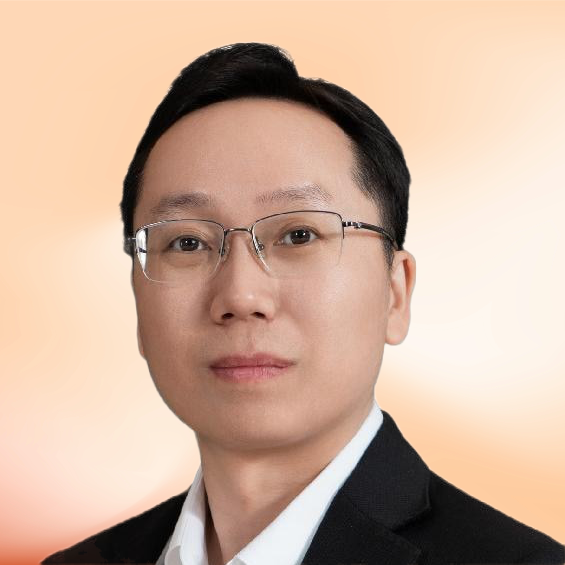
UN ODET Open Source Strategy and Planning

Open-Sourcing CANN to Foster Fertile Ground for AI Talent Development and Innovation
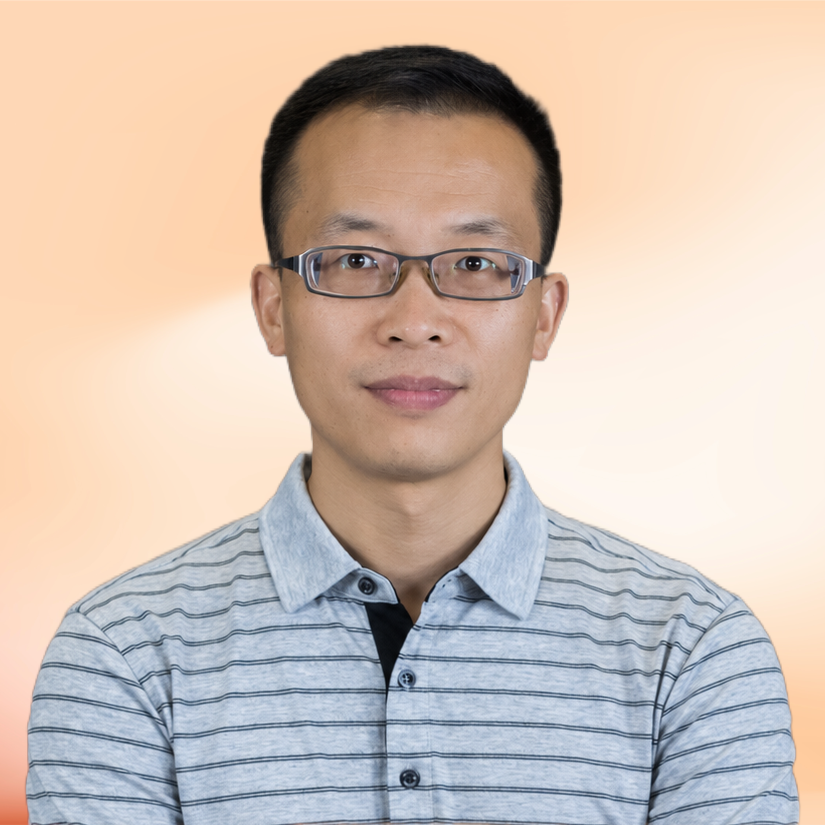

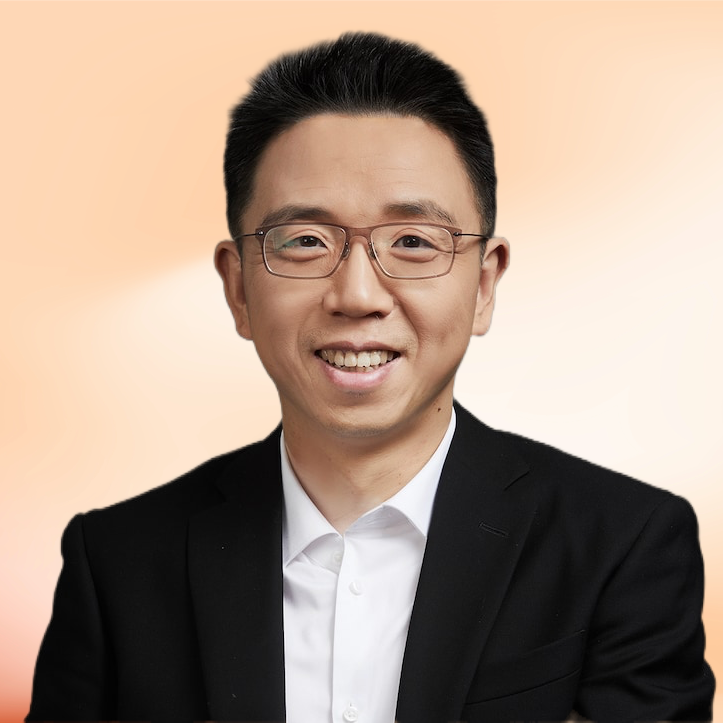
















































































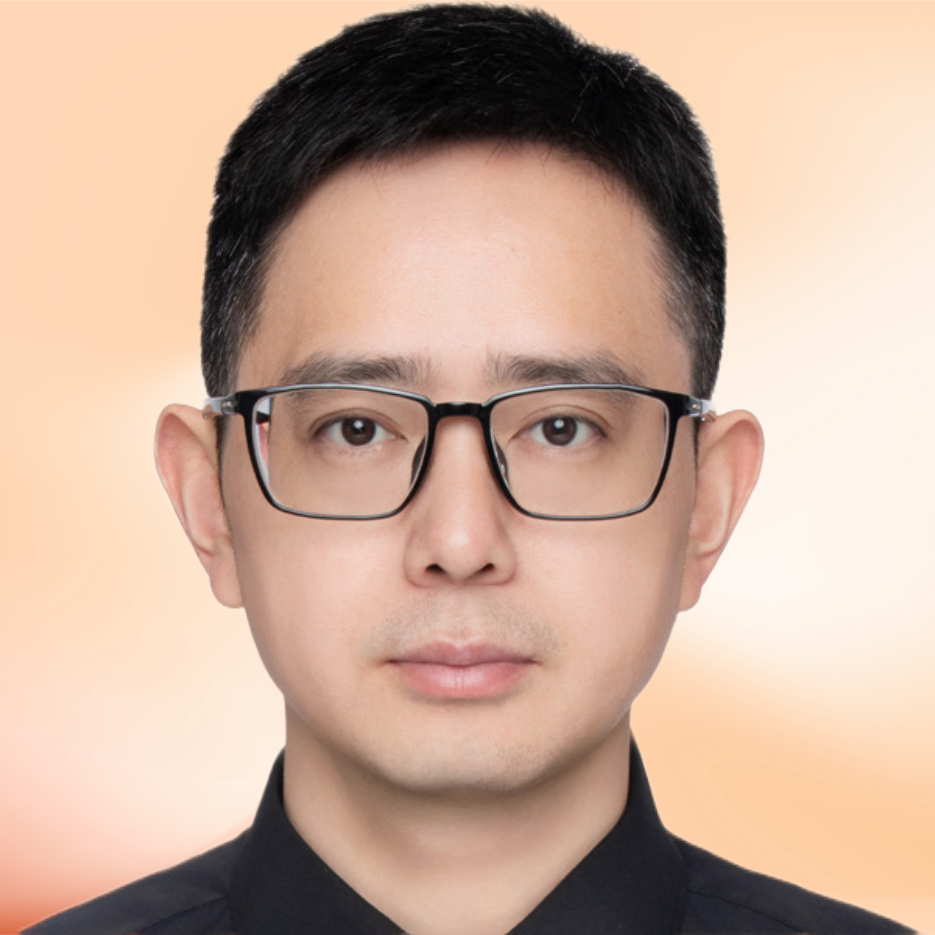



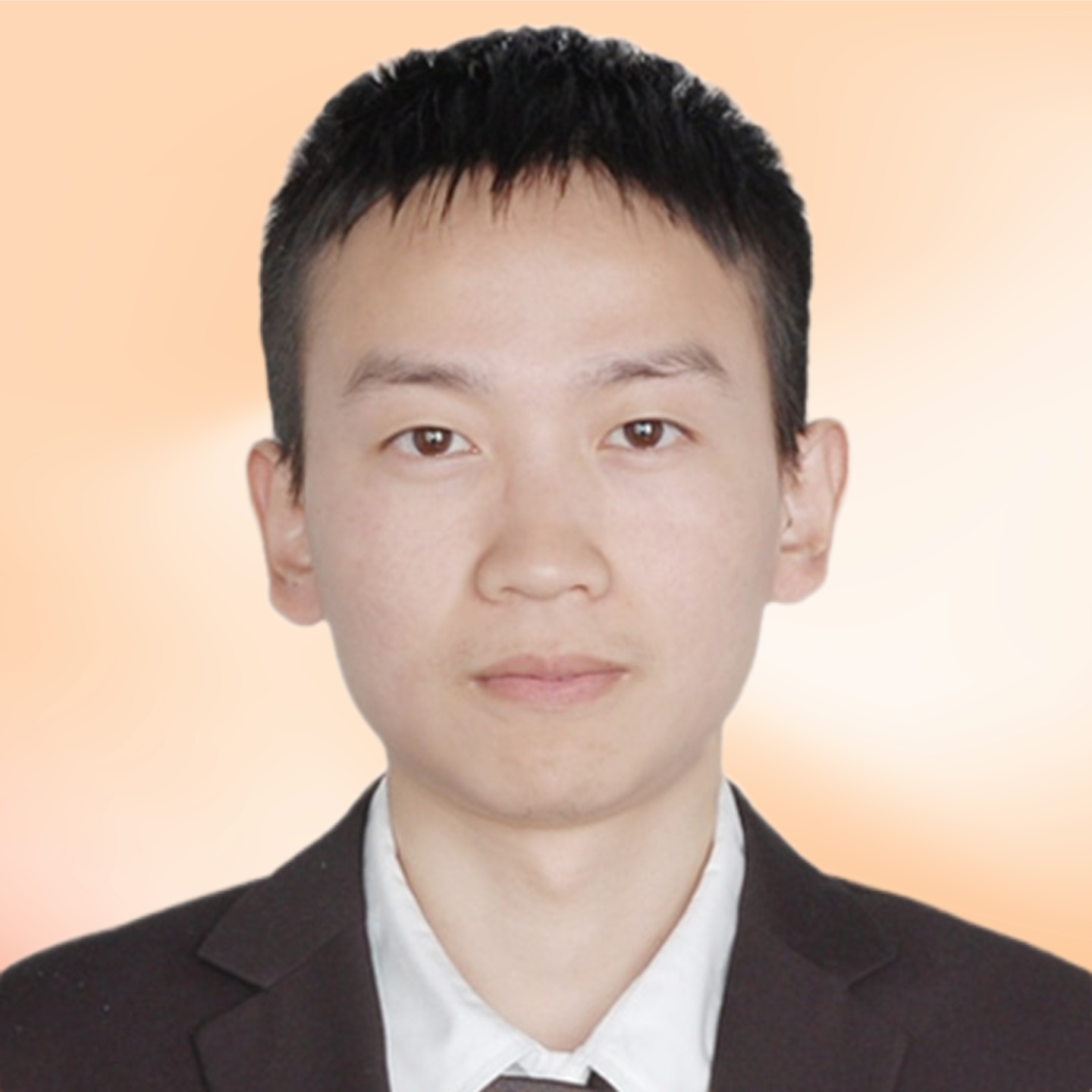
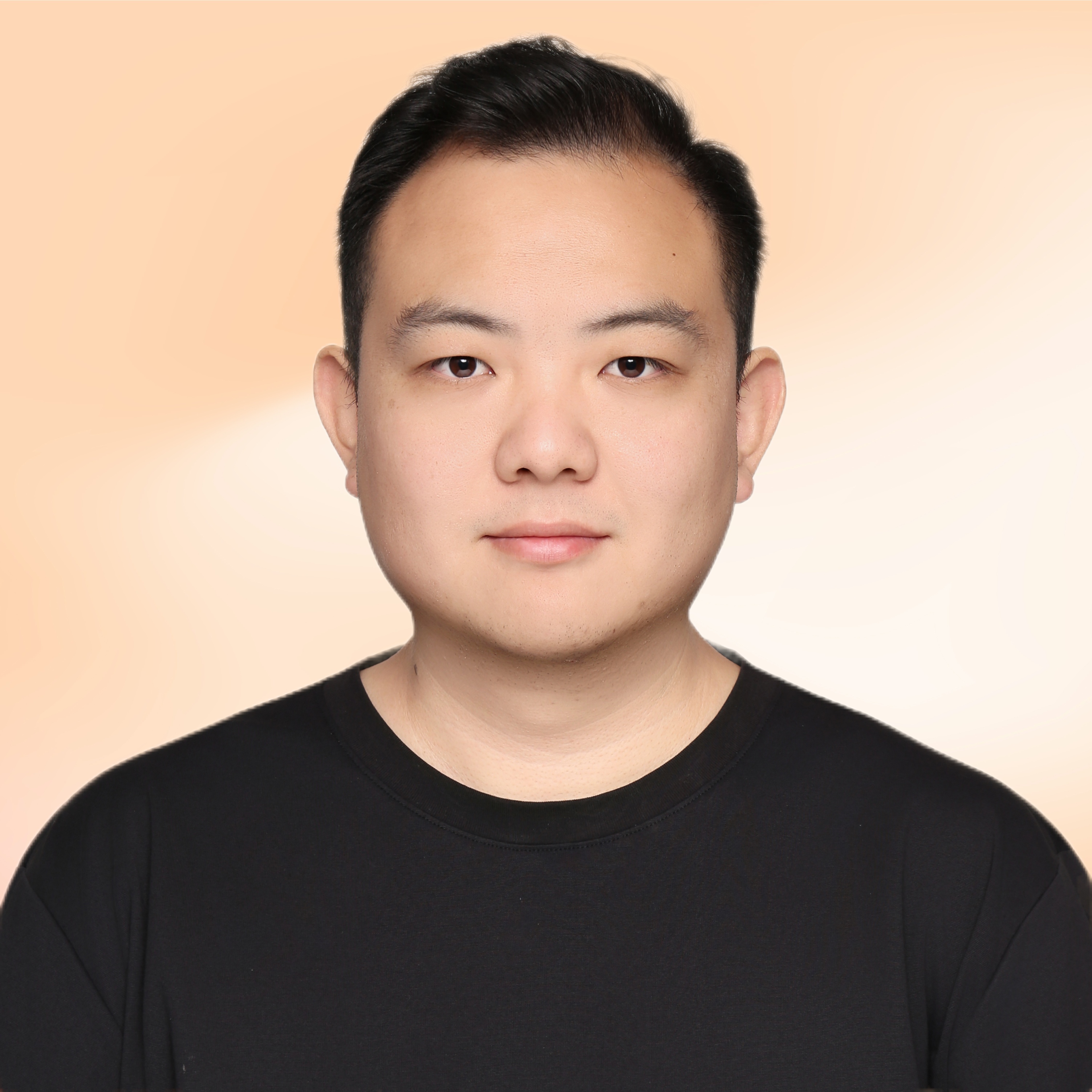
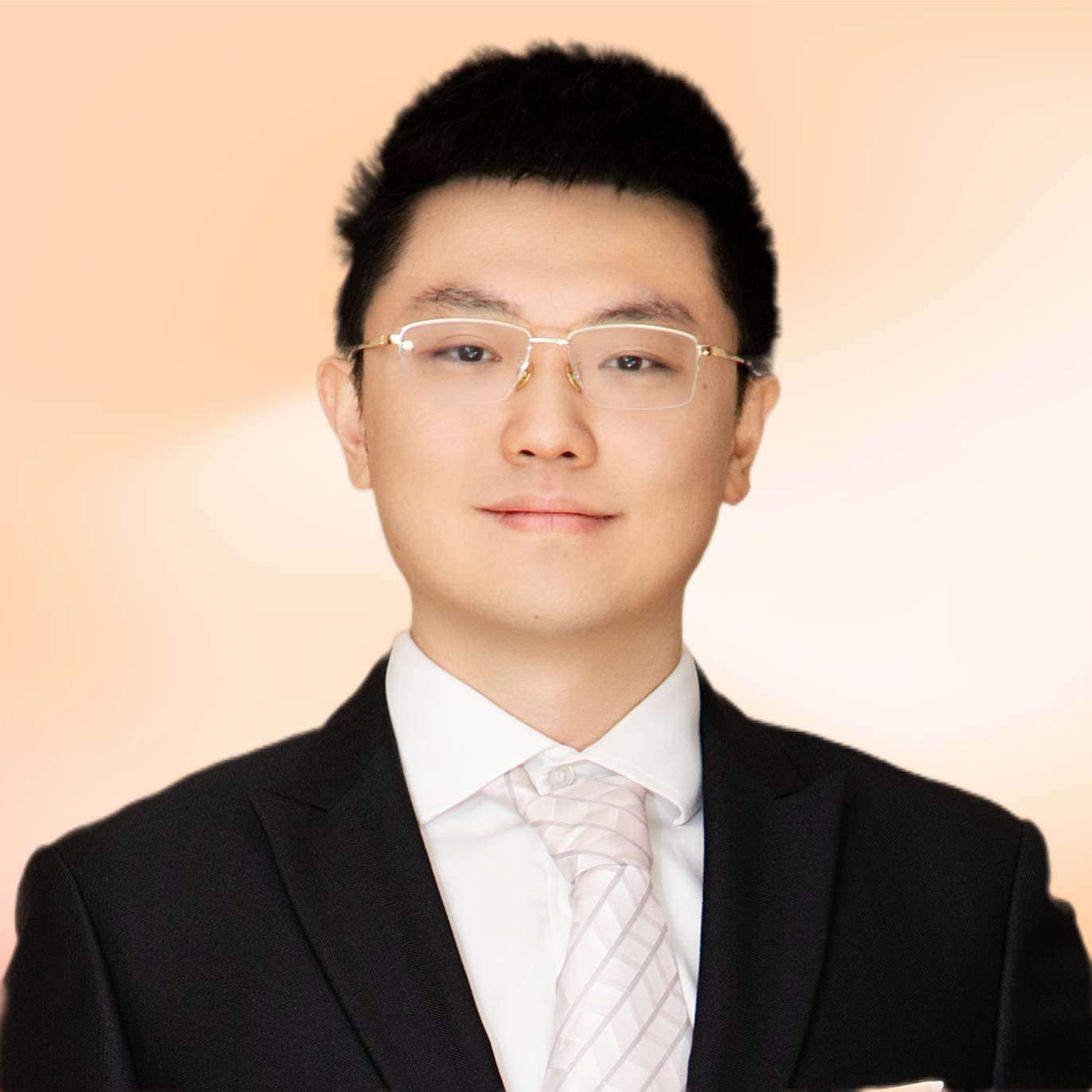

Archived schedule for GOSIM Shenzhen 2026. All times are China Standard Time (UTC+8).

Thank you for joining our biggest GOSIM ever!
ADEN Hotel Shenzhen Nanshan
October 16–17, 2026
Over 2,500 attendees came together in Shenzhen for GOSIM Shenzhen 2026. Thank you to every attendee, speaker, volunteer, sponsor, and partner!